Having flat feet is a common condition that can affect individuals of all ages. While many people with flat feet experience no pain or issues, others may face discomfort and foot-related problems. If you have flat feet or know someone who does, it’s essential to understand the condition and know what steps to take for optimal foot health. In this blog post, we will provide valuable advice from a podiatrist on what to do about flat feet, including tips for managing symptoms and maintaining overall foot health.
1. Understanding Flat Feet
Flat feet, also known as fallen arches or pes planus, is a condition where the arches of the feet are significantly lower or absent. Instead of the arches providing support and stability, the entire sole of the foot makes contact with the ground. Flat feet can be present from birth or develop over time due to factors such as genetics, age, injury, or certain medical conditions. It’s crucial to understand your foot structure and whether you have flat feet to determine the appropriate steps for managing the condition.
2. Assessing Symptoms and Seeking Professional Evaluation
If you suspect you have flat feet or experience any discomfort, it’s important to assess your symptoms and seek professional evaluation from a podiatrist. A podiatrist will examine your feet, assess your gait, and discuss your medical history to determine the severity of your condition. They can provide an accurate diagnosis and recommend appropriate treatment options based on your specific needs.
3. Footwear Choices for Flat Feet
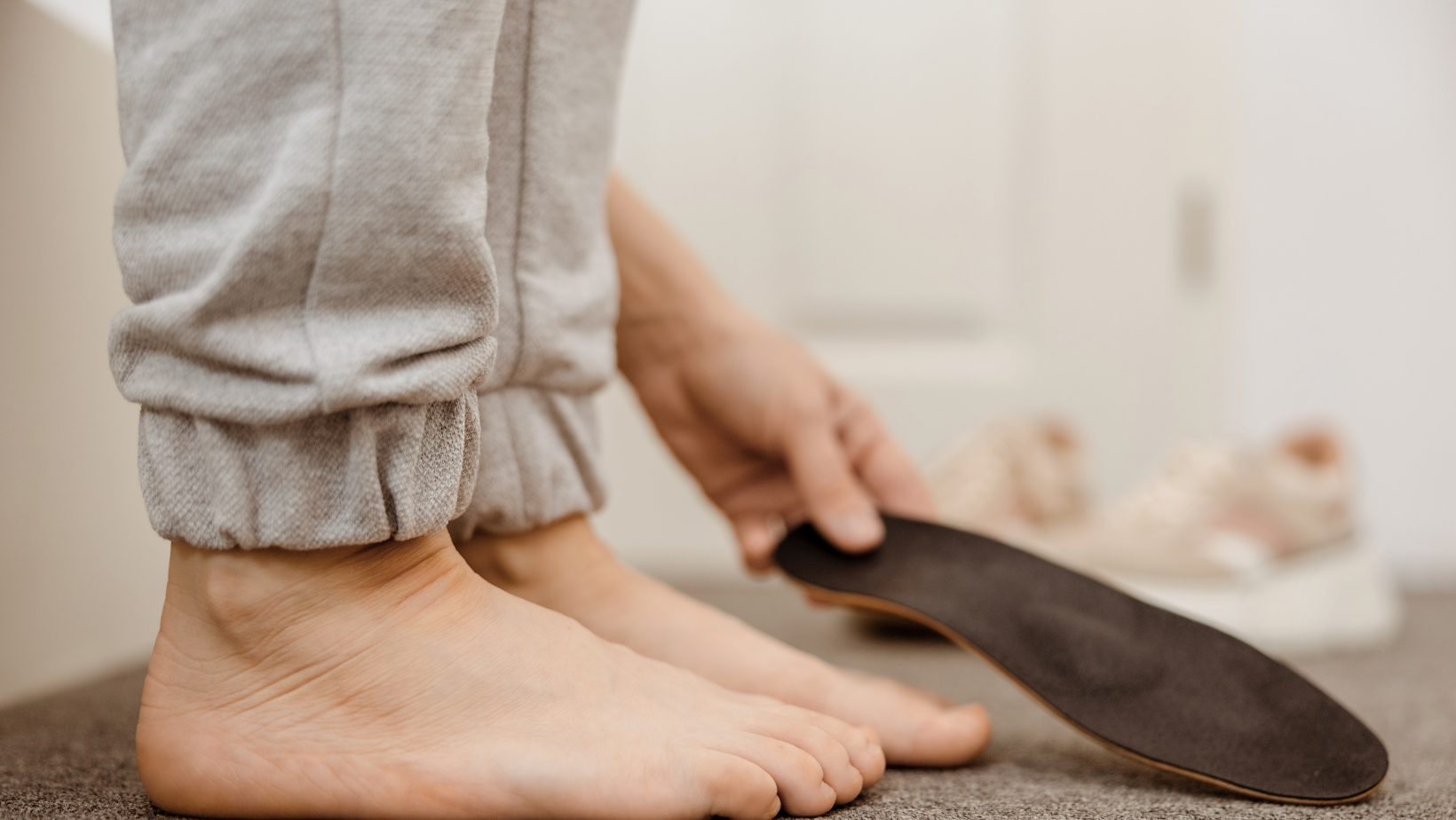
Wearing proper footwear is essential for individuals with flat feet. Look for shoes that provide adequate arch support and cushioning to alleviate discomfort and promote proper foot alignment. Opt for shoes with built-in arch support or consider using orthotic inserts designed specifically for flat feet. Avoid high heels and shoes with minimal support, as they can exacerbate symptoms and lead to additional foot problems.
4. Strengthening and Stretching Exercises
Engaging in specific foot-strengthening and stretching exercises can help alleviate pain and improve foot function for individuals with flat feet. These exercises target the muscles and ligaments that support the arches of the feet, promoting strength and flexibility. A podiatrist can recommend exercises tailored to your condition, such as toe curls, arch lifts, and calf stretches, to improve foot strength and stability.
5. Custom Orthotics for Flat Feet
For individuals with persistent symptoms or severe flat feet, custom orthotics may be recommended. Custom orthotics are specially designed shoe inserts that provide personalized support and correct foot imbalances. They are molded to the shape of your feet and can help distribute pressure evenly, relieve pain, and improve foot function. A podiatrist can assess your needs and create custom orthotics that fit comfortably in your shoes.
Conclusion
Having flat feet doesn’t mean you have to live with pain or discomfort. By understanding your condition and implementing appropriate measures, you can effectively manage flat feet and maintain optimal foot health. Consulting a podiatrist for a thorough evaluation, wearing supportive footwear, performing strengthening exercises, and considering custom orthotics are all valuable steps in addressing flat feet. Remember to prioritize your foot health, as healthy feet contribute to overall well-being and an active lifestyle.